

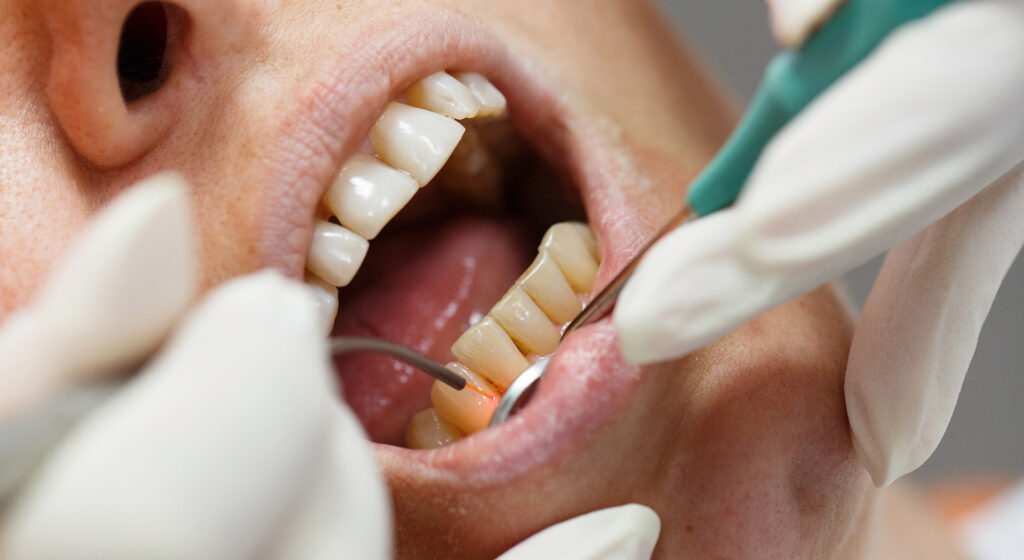
Dental Tooth Restoration
Fillings and Bonding Types: Advantages and Disadvantages
Dental fillings and bonding are standard procedures performed by dentists to restore teeth damaged by decay or cavities. Fillings are best for repairing, strengthening, and protecting the affected tooth, restoring its normal function and appearance.
A tooth developing a cavity or hole can cause pain, sensitivity, and difficulty eating or drinking. Without treatment, the decay can progress, leading to more serious dental problems, such as infection or tooth loss. Dental fillings prevent further damage and preserve the natural tooth structure.
The Main Differences Between Fillings and Bonding
Fillings and bonding are common dental procedures used to restore the structure and function of damaged or decayed teeth. While both treatments involve using dental materials to repair teeth, there are key differences in their purpose, materials used, and application methods.
Fillings repair cavities or areas of tooth decay. In a filling, the dentist removes the decayed portion of the tooth and fills the space with a dental material to restore its shape and function.
The most common materials for fillings are amalgam (a mixture of metals such as silver, copper, tin, and mercury) and composite resin (a tooth-colored material that matches the tooth’s natural color).
Bonding, on the other hand, is a cosmetic dental procedure used to improve the appearance of chipped, cracked, discolored, or misshapen teeth. During a bonding procedure, the dentist applies a tooth-colored resin material to the surface of the tooth and shapes and molds it to match the natural tooth structure. A special light hardens the resin, bonding it to the tooth.
One of the main differences between fillings and dental bonding is their purpose. Fillings restore teeth damaged by decay and other functional needs, while dental bonding focuses on cosmetic improvements to the appearance of teeth. Fillings are typically placed in areas that are not readily visible, such as the back teeth.
At the same time, bonding is usually performed on more visible areas of the mouth, such as the front teeth, to enhance aesthetics.
Another difference between fillings and bonding is the materials used. Fillings typically use more durable materials, such as composite resin, designed to withstand the forces of biting and chewing. Bonding uses a tooth-colored composite resin that is more aesthetically pleasing but may not be as strong as traditional filling materials.
In terms of application methods, fillings and bonding procedures are similar in that they both involve preparing the tooth, applying the dental material, and shaping it to the desired form. However, fillings may require more extensive tooth preparation, such as drilling and removing decayed tissue. At the same time, bonding typically involves minimal tooth preparation and is often done in a single visit to the dentist.
Dental Fillings Types
Note: Our dental clinics do not offer amalgam fillings, so we do not discuss this material in this article. For more information about the amalgam mercury removal process, visit our Mercury Amalgam Removal page.
Modern dentistry typically makes fillings from composite resin, gold, or porcelain. The filling will depend on the location, size, and severity of the cavity, as well as the patient’s personal preferences and budget.
Composite Resin Fillings:
- Composite resin fillings are a popular option today. They can be color-matched to the tooth for a natural appearance and offer durability and longevity, making them a reliable choice for restoring teeth in visible areas of the mouth.
Composite Resin Fillings Advantages
- The natural-looking appearance matches the tooth’s color.
- Durable and long-lasting
- Bonds directly to the tooth, providing added strength
Composite Resin Fillings Disadvantages
- It can be more expensive than other types of fillings
- It may not be as strong as metal fillings for larger cavities
Gold Fillings:
Gold fillings are a durable, long-lasting option, as gold is a very strong material that can withstand chewing forces. However, gold is the most expensive option and is not a common option today.
Gold Fillings Advantages
- Very strong and durable
- Long-lasting and can withstand the forces of chewing
Gold Fillings Disadvantages
- The most expensive option for fillings
- Not as aesthetically pleasing as composite resin or porcelain fillings
Porcelain Fillings:
Porcelain fillings, also known as inlays or onlays, are a more conservative option that provides a natural-looking appearance. They are custom-made in a dental laboratory and bonded to the tooth for a secure, long-lasting restoration.
Porcelain Fillings Advantages
- Natural-looking appearance can be custom-made to match the tooth
- Durable and long-lasting
- Conservative option that preserves more of the natural tooth structure
Porcelain Fillings Disadvantages
- More expensive than composite resin fillings
- May require multiple visits to the dentist for preparation and placement
It is essential to discuss with your dentist the advantages and disadvantages of each filling to determine the best option for your specific needs and preferences.
Dental Fillings Post-Treatment Care and Maintenance Tips
Getting a dental filling typically involves numbing the tooth with a local anesthetic, removing the decayed or damaged portion, and filling the space with the chosen filling material. The dentist will then shape and polish the filling to ensure a comfortable bite and a natural appearance.
After getting a dental filling, practicing good oral hygiene habits is important for maintaining the tooth’s health and preventing future decay. This maintenance includes brushing and flossing regularly, avoiding sugary and acidic foods and beverages, and seeing your dentist for regular check-ups and cleanings.
Overall, dental fillings are an effective treatment for restoring teeth damaged by cavities or trauma. They can help preserve the tooth’s health and function, prevent further decay and infection, and restore a natural-looking smile. If you have a cavity or tooth damage, talk to your dentist about whether a dental filling is the right treatment option.
The benefits of composite fillings far outweigh those of metal fillings, and our offices in Mexico can offer significant cost savings. In the U.S., composite fillings range anywhere from $120.00 – $450.00, which is a considerable variance. However, we offer an affordable price starting at $75.00 a filling, regardless of size.
Sometimes, replacing an old amalgam filling with a composite filling is necessary. A mercury removal process is required, and the total treatment cost is $150.00.
To learn more about the mercury removal process, visit our Mercury Amalgam Removal page.
Glass Ionomer fillings comprise glass particles (fluoroaluminosilicate), acrylic, and a setting agent. The most common use of this material is for dental cement. These fillings are not as strong as composite fillings; however, our dental clinics in Mexico may use them as a filling material on occasion.
Glass ionomer fillings are commonly used for baby teeth for two reasons: they release fluoride, which helps prevent further decay in the filled tooth, and they are easy to place because they are not moisture-sensitive.
Dental Bonding Treatment
Dental bonding is often best to repair teeth with minor chips, discoloration, or slight crookedness. It is more affordable than other cosmetic dental treatments and can usually be completed in a single visit.
Bonding uses a composite material that can be molded into the perfect shape and is less likely to stain than other materials. However, it does not last as long as porcelain veneers and is easier to break. Dental bonding provides many benefits for people with stained or chipped teeth, including being minimally invasive, quick, and cost-effective compared to other treatments.
Various Types of Materials Used for Bonding Teeth Include:
Composite resin
Composite resin is the most common material used for dental bonding. It is a tooth-colored material that can be molded to match the natural tooth structure. It is typically applied in layers and then cured using a special light to harden and bond it to the tooth.
Porcelain
Porcelain veneers can bond to teeth and are often used for more extensive cosmetic improvements. They are durable materials that can be custom-made to match the color and shape of the surrounding teeth.
Glass Ionomer
Glass ionomer material is a dental cement containing fluoride, making it ideal for bonding teeth in areas prone to decay. It is not as strong or aesthetically pleasing as composite resin or porcelain, but it can be a good option for specific situations.
Resin-modified Glass Ionomer
Resin-modified glass ionomer material combines the properties of composite resin and glass ionomer, making it a versatile option for bonding teeth. It provides good strength and durability, and fluoride release to help prevent decay.
It is important to know that the lower price of fillings at our dental clinics in Mexico does not mean your dental care is compromised. Their standards are progressive, and your care is our priority. They are proud to be mercury-free dental facilities.
In Summary
Fillings and bonding are essential dental treatments that serve different purposes and use various materials and techniques. Fillings are typically best for repairing cavities and restoring damaged teeth, while bonding is used for cosmetic purposes to improve the appearance of teeth. Both treatments aim to restore the structure and function of teeth, but their focus and techniques differ to cater to each patient’s specific needs. It is essential to consult with a dentist to determine the best treatment option based on the particular condition of your teeth and your desired outcome.