

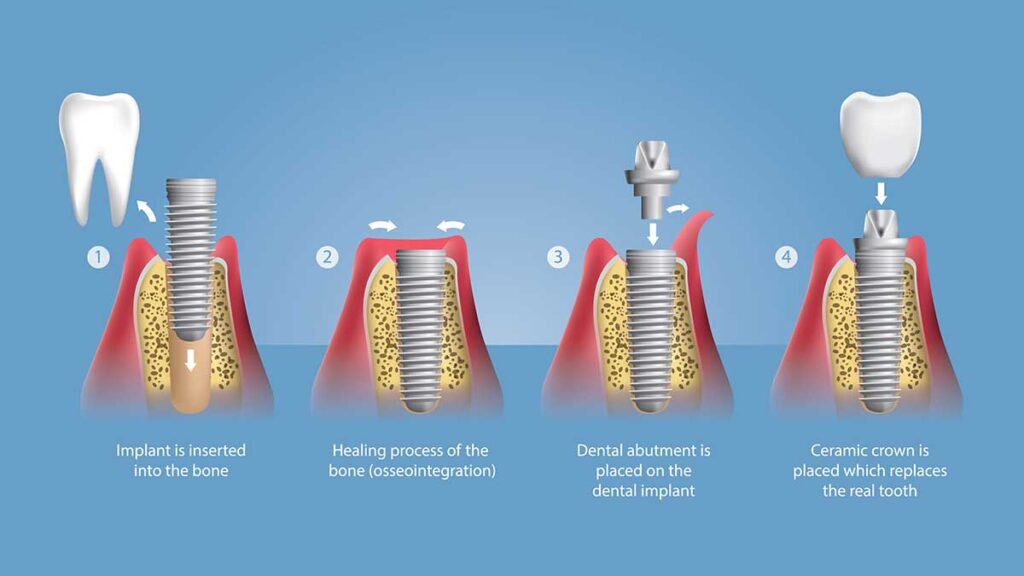
Essential Insights on Dental Implants
Key Considerations Before Getting Dental Implants
Dental implants are now among the most popular and effective tooth-replacement solutions worldwide. They offer a long-term option for individuals seeking to restore both the function and aesthetics of their smiles. However, it is crucial to understand the key factors that can influence the success, longevity, and overall experience of this procedure before undergoing it.
This blog will explore five critical details and considerations every patient should be aware of before getting dental implants. It will cover various topics, including how to find high-quality yet cost-effective dental implant options and the risks associated with low-quality, inexpensive implants. By reading this blog, you will be better equipped to make an informed decision about your dental health.
Neodent Implants: The Future of Cost-Effective and Affordable Dental Implants
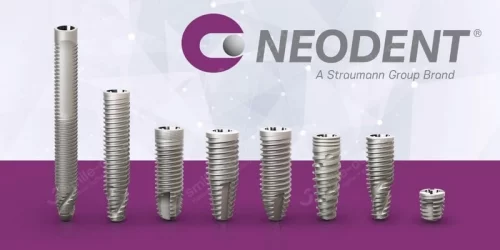
Neodent designs implants specifically to replace missing teeth and provide a robust foundation for both fixed and removable prosthetics. Crafted from biocompatible titanium, Neodent implants integrate seamlessly with the bone, ensuring durability and stability for our patients. Emphasizing innovation and quality, Neodent continues to set the standard in dental implants, allowing us to provide our patients with the best possible care and outcomes.
Some Key Features of Neodent Implants Include:
- Diverse Range: Neodent offers a variety of implant types and sizes to cater to different clinical situations, including solutions for cases with limited bone volume.
- Surface Technology: Their implants often feature advanced surface treatments to enhance osseointegration, the process by which the implant fuses with the jawbone.
- Ease of Use: Neodent aims to facilitate implant placement for dental professionals, often offering user-friendly components and instrumentation.
- Restorative Options: Neodent implants are compatible with various restorative prosthetics, enabling customized solutions tailored to patient needs.
- Research and Development: Significant research and clinical studies support Neodent implants, demonstrating their long-term success and efficacy.
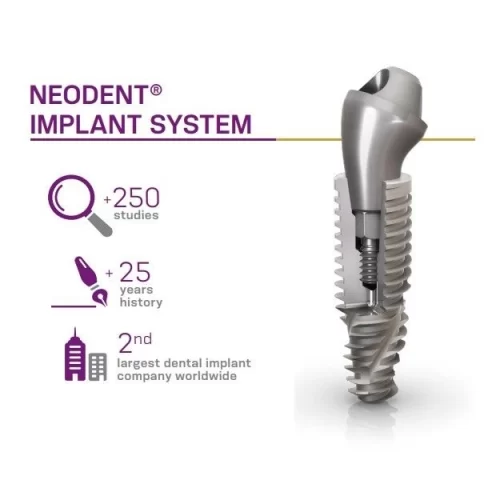
Overall, Neodent implants are part of a growing trend towards effective, reliable dental restorative options. Beyond Borders Dental’s dental clinics in Mexico primarily use Neodent implants and also offer access to globally recognized brands like Noble Biocare and Straumann.
About Neodent
Neodent, founded in 1993, is a Brazilian company that specializes in dental implant solutions and related products. Neodent has become one of the leading companies in the dental implant industry, particularly in Latin America. In 2015, the Straumann Group, a global leader in implant dentistry, acquired Neodent, thereby further expanding its research, development, and quality assurance capabilities. Neodent focuses on providing innovative and reliable solutions for dental professionals and patients alike.
The Straumann Group is a global leader in dental implants, prosthetics, and regenerative solutions, and it has a strategic association with Neodent. In 2015, Straumann acquired Neodent, making it a key part of its portfolio. This acquisition allowed Straumann to expand its presence in the Latin American market and leverage Neodent’s innovative products and technologies in dental implantology.
Through this association, Neodent benefits from Straumann’s extensive resources, research capabilities, and global network, enhancing its ability to develop and distribute high-quality dental implant solutions. Likewise, Straumann gains access to Neodent’s established presence and expertise in implant dentistry, enabling both companies to offer a broader product range to dental professionals and improve patient outcomes. The partnership emphasizes commitment to innovation and high standards in dental care.
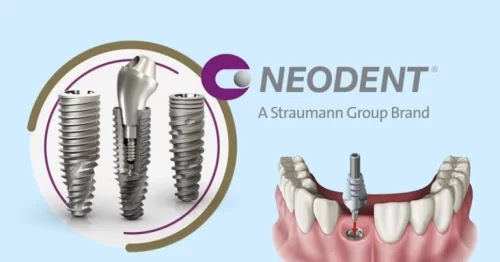
In general, marketers often position Neodent implants as a more cost-effective alternative to Straumann implants. Various factors contribute to this price difference, including manufacturing processes, materials used, and market positioning.
Neodent focuses on providing high-quality implants at competitive prices, particularly appealing to dental professionals and clinics seeking reliable solutions without the higher costs associated with premium brands like Straumann. However, pricing can vary by location, distributor agreements, and ongoing promotions or discounts.
When considering implants, it’s essential to evaluate not just the cost but also the quality, track record, and support provided with the implants. Each practice can have different needs, and the best choice often depends on the individual case and patient requirements. Always consult a dental professional for recommendations tailored to specific situations.
Can Single Tooth Implants be Used for All-on-Xs?

Designers typically create single-tooth implants to replace individual missing teeth rather than support full-arch prostheses. However, they can be part of a full arch rehabilitation in specific situations. A full-arch prosthesis, such as a fixed denture or an implant-supported bridge, requires multiple implants to ensure adequate support and stability.
A complete arch restoration, doctors usually recommend:
- Multiple Implants: Using several implants to distribute the occlusal forces evenly across the arch.
- All-on-4 or All-on-6 Systems: These are strategies that use four or six strategically placed implants to support an entire arch of teeth, offering a more economical and efficient approach without the need for additional implants.
- Implant-Retained Dentures: For removable prostheses, strategically placing a few implants can help stabilize and retain the denture.
Patients need to consult with their dental professionals to develop a treatment plan tailored to their specific needs, including bone quality, density, and quantity, as well as overall oral health. An implantology specialist can assess whether single implants can adequately support a full-arch prosthesis or if an alternative approach is needed.
What Are Some Unethical Ways Doctors Reduce The Cost of All-on-4s and All-on-6s?
While most dental professionals maintain high ethical standards in their practices, some may resort to unethical practices to reduce costs associated with All-on-4 and All-on-6 procedures. These practices not only compromise patient care but also lead to legal implications and damage a practitioner’s reputation. Here are some unethical ways that you might consider:
- Substandard Materials: Using cheaper, lower-quality implants or prosthetic components that do not meet industry standards can reduce costs but ultimately put patients at risk for complications or implant failure.
- Overbilling or Fraud: Occurs when providers bill for services that they did not render or exaggerate the complexity of procedures to inflate costs, which is both unethical and illegal.
- Neglecting Proper Protocols: Skipping essential diagnostic procedures or evaluations to save time and money can jeopardize patient safety and treatment outcomes.
- Inadequate Training: Performing procedures without the appropriate training or certification, potentially placing patients in harm’s way, to save costs on hiring qualified professionals.
- Cutting Corners in Surgical Techniques: Rushing through the surgical process or ignoring established protocols can lead to poor outcomes, even if it reduces procedure time and costs in the short term.
- Misleading Patients: Providing false information about the longevity or benefits of specific procedures or materials to convince patients to go with cheaper options or unnecessary treatments.
- Lack of Informed Consent: Failing to fully inform patients about the risks, benefits, and alternatives to All-on-4 implants can lead to ethical violations and loss of trust.
- Using Unlicensed Personnel: Allowing unlicensed or inadequately trained staff to perform tasks reserved for licensed professionals can compromise the quality of care and patient safety.
- Ignoring Aftercare: Skimping on follow-up care or necessary post-operative visits to save time and money can lead to unresolved issues that affect patient health.
- Pressure to Upsell: Pressuring patients into unnecessary procedures or products by misrepresenting their necessity or failing to present affordable options might exploit vulnerable patients.
Engaging in such practices poses significant risks to patients and undermines the integrity of the dental profession. Ethical medical practice should always prioritize patient safety, informed consent, and high-quality care over cost-cutting measures.
How Important are Abutments for Implants?
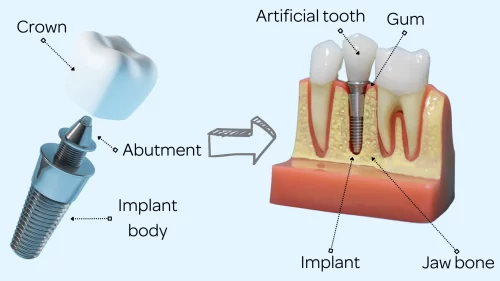
Abutments are critical components in dental implant systems for several reasons:
- Connection Point: Abutments serve as the connector between the dental implant (embedded in the jawbone) and the prosthetic crown, bridge, or denture that the doctor will place on top of it. They provide stability and support for the prosthetic.
- Aesthetics: The design and height of the abutment can affect the final aesthetics of the dental restoration. Custom abutments can achieve a more natural appearance and ensure that the prosthetic tooth aligns well with the surrounding natural teeth.
- Orientation and Positioning: Abutments help align the prosthetic tooth to match the patient’s bite and facial aesthetics. This customization is crucial to achieving a functional and visually pleasing result.
- Functional Performance: Properly selected and placed abutments ensure that chewing forces are effectively transmitted from the prosthetic to the implant, enabling normal function and longevity of the dental implant system.
- Access for Maintenance: Some abutment designs allow easier access to the screw securing the crown to the implant. This accessibility is essential for future adjustments or maintenance.
- Patient Comfort: Well-designed abutments can enhance patient comfort by minimizing irritation to the surrounding gums and tissues.
Overall, the selection of abutments is an integral part of the dental implant process, influencing both function and aesthetics of the final restoration. Choosing the right abutment helps ensure the success and longevity of the implant-supported teeth.
How Long Do Dental Implants Last? Factors That Affect Their Lifespan
The lifespan of dental implants depends on several factors. On average, dental implants can last 10 to 15 years or longer with proper care and maintenance. But certain factors can affect their lifespan:
- Quality of Implant Materials: The quality of the materials used for dental implants plays a crucial role in determining their lifespan. High-quality materials such as titanium are known to be exceptionally durable and biocompatible.
- Oral Hygiene: Just like natural teeth, implant-supported crowns require regular brushing, flossing, and professional cleanings to prevent plaque buildup and bacterial growth around the implants.
- Overall Health: Certain medical conditions, such as diabetes or autoimmune diseases, can affect your body’s ability to heal after surgery and increase the risk of implant failure, which is why you must inform your dentist before getting dental implants.
- Jawbone Density: If you have experienced significant bone loss due to tooth loss or other factors, your dentist may recommend bone grafting before placing the implant. This procedure helps to strengthen and thicken the jawbone.
- Personal Habits: Certain habits, such as smoking and teeth grinding, shorten the lifespan of dental implants. Smoking reduces blood flow to the gums, slows healing, and increases the risk of infection.