

Mercury Amalgam Removal
Understanding the Risks of Mercury Amalgam Fillings and the Benefits of Safe Removal
Mercury amalgam removal is a widespread practice in the global dental industry. Since the early 19th century, mercury amalgam fillings have been a popular method for fixing damaged teeth. However, amid growing concerns about the potential health risks of mercury exposure, many individuals are now considering removing their amalgam fillings. Studies have indicated that mercury vapor emitted from amalgam fillings can be absorbed by the body, potentially causing long-term health problems.
The article supporting the health risks of mercury amalgam fillings is Symptoms of Mercury Poisoning, a blog post by Healthy and Natural World.
It is now widely accepted that removing mercury amalgam fillings is a safe and effective way to reduce the risk of mercury exposure. Many dentists and healthcare professionals specialize in safely removing amalgam fillings, ensuring minimal exposure to mercury vapor during removal. These specialists follow strict protocols to protect patients and themselves from mercury exposure.
While some may be hesitant to undergo mercury amalgam removal due to cost or safety concerns, it is essential to understand that affordable, safe options are available for those seeking to remove their amalgam fillings. Individuals can take proactive steps to protect their oral and overall health by educating themselves about the health risks of retaining mercury amalgam fillings and seeking qualified professionals to remove them.
The Health Risks of Mercury in Amalgam Fillings
Should They be Removed?
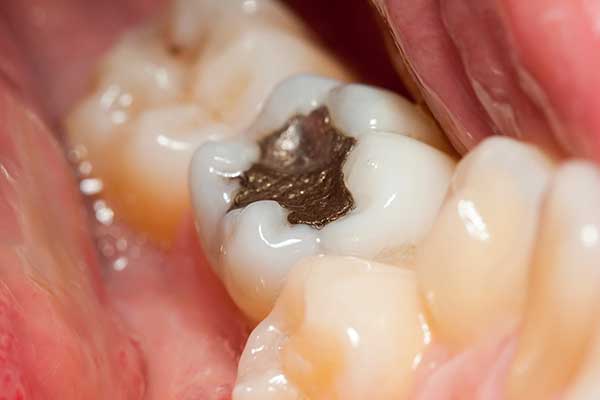 For many years, dentists have widely used mercury amalgam to repair decayed or damaged teeth. These fillings consist of a blend of metals, including silver, mercury, tin, and copper, and they are known for their strength and durability. However, recent concerns have emerged about the potential health risks posed by mercury in amalgam fillings, underscoring the need to remove them.
Mercury is a toxic substance that can harm the human body in high concentrations. While the mercury in amalgam fillings is combined with other metals to form a stable compound, there are still concerns about the release of mercury vapor during amalgam removal or through everyday activities like chewing and teeth grinding. Some individuals, like pregnant women, children, and those with certain medical conditions, may be more susceptible to the harmful effects of mercury exposure.
Safe Practices for Mercury Amalgam Removal
Protecting Against Mercury Exposure in Dental Procedures
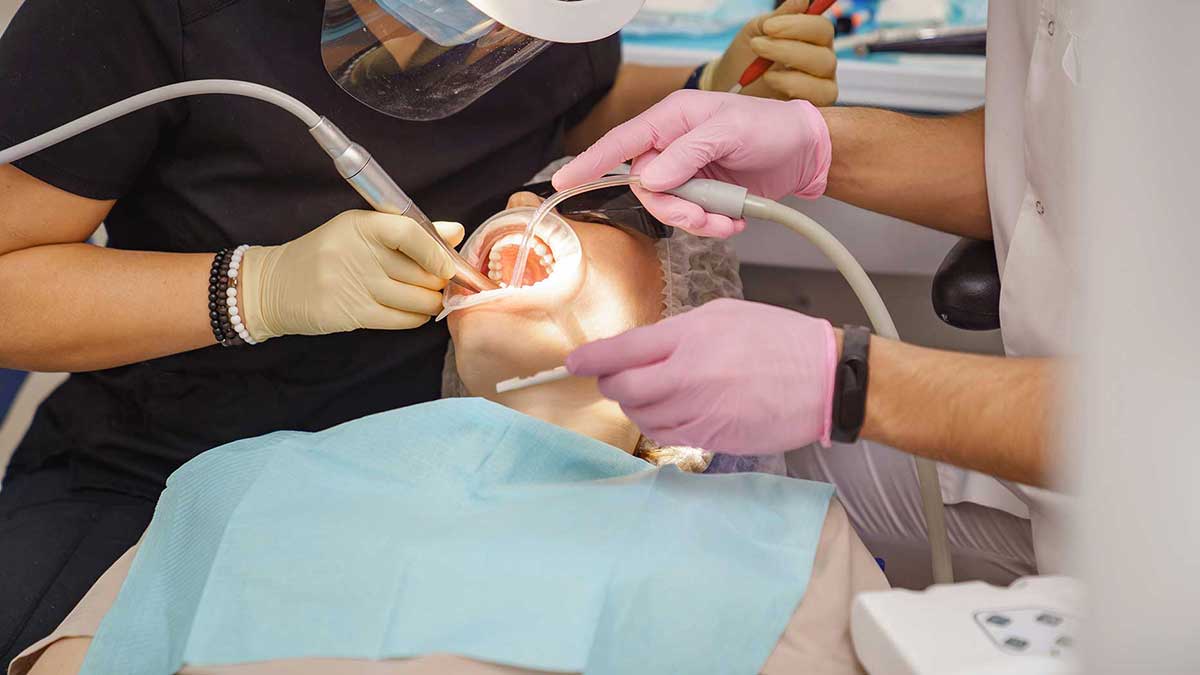
Removing amalgam fillings involves more than just drilling out the old filling and replacing it with a new one. Dentists must take special precautions to minimize exposure to mercury vapors and ensure the safety of both the patient and the dental staff. This process includes using a rubber dam to isolate the treated tooth, employing high-speed suction to remove debris and vapor, and providing the patient with a mask to reduce the inhalation of mercury vapor.
Additionally, proper ventilation in the treatment room is crucial in preventing the accumulation of mercury vapors. Some dentists use a dental air purifier to filter out mercury vapors from the air. Our dentists recommend that patients thoroughly rinse their mouths after removing the amalgam filling to reduce the risk of ingesting mercury particles.
Alternatives to Amalgam Fillings
Exploring Materials for Safe and Aesthetic Tooth Restorations
After removing mercury amalgam, the dentist can fill the tooth with a safer alternative, such as a composite or porcelain filling that does not contain mercury and blends with the tooth’s natural color. In some cases, the dentist may use a ceramic inlay or onlay to restore the tooth’s function and appearance.
Dentists can replace amalgam fillings with various materials, including:
- Composite Resin: A tooth-colored material made of a blend of plastic and glass particles that bonds to the tooth and provides a natural appearance.
- Porcelain: A strong, durable material that can be customized to match the color and shape of the natural teeth.
- Glass Ionomer: You can use a tooth-colored material that releases fluoride to help protect against decay for small to medium-sized fillings.
- Ceramic Inlays or Onlays: Custom-made restorations fabricated in a dental laboratory are bonded to the tooth to restore its function and appearance.
Our blog posts, Dental Fillings & Bonding and Dental Crown Types, Materials, and Costs, detail these materials.
Advancements in Dental Materials
Moving Towards a Mercury-Free Future in Tooth Restorations
 While the debate over the risks of mercury exposure from amalgam fillings continues, it is important to note that future generations may never have to deal with them due to advancements in dental materials and preventive measures. Clinics in Mexico have been mercury-free for several years, opting for composite, glass ionomer, or crown replacements for amalgam fillings. Adhering to strict protocols for safe mercury removal, these clinics provide affordable options for patients seeking non-mercury restorations. These protocols include offering competitive prices and discounts for multiple metal-free crown procedures and mercury amalgam removal.
Suppose you need to replace an old amalgam filling or your healthcare provider advises removing mercury fillings for health reasons. In that case, you can choose metal-free options, such as all-ceramic crowns. Most dental clinics in Mexico follow stringent protocols to ensure patient safety and the effective removal of mercury amalgam. These protocols include performing removal procedures in a closed room, providing oxygen if needed, using a rubber dam for isolation, utilizing high-volume suction at all times, and properly disposing of mercury amalgam waste.
Our doctors in Mexico adhere to recommended safety protocols for removing mercury amalgam, which include the following:
- The doctor performs amalgam mercury removal in a separate, closed room
- The doctor provides patients with oxygen to breathe if needed
- The doctor uses a rubber dam to isolate the tooth
- The doctor uses a high-volume evacuation suction at all times
- Water is present during the entire process to keep the filling cool during the removal
- The doctor removes the most significant chunks possible
- The dental unit collects the mercury amalgam in a filter trap system for proper disposal
- An antibacterial dental liner is placed before the restoration to reduce sensitivity
Our vetted dental clinics in Mexico have utilized advanced materials for many years. You should not assume that lower dental care costs in Mexico equate to lower-quality techniques. We uphold high standards to ensure your dental care remains exceptional.
In Summary
While the process can be complex and costly, the benefits of having these fillings removed, such as improving overall health and reducing the risk of mercury toxicity, outweigh the potential challenges. Working with a qualified dentist who follows proper protocols for safe removal is crucial to minimizing any risks during the process. Ultimately, choosing to have mercury amalgam fillings removed can lead to better overall health and peace of mind for those who are seeking a mercury-free dental restoration.
Removing mercury amalgam is a crucial step in enhancing overall health and well-being. Although the process may be complicated and expensive in the United States and Canada, the advantages of removing mercury amalgam fillings in Mexico surpass the potential risks.
By conducting thorough research and selecting a qualified professional who follows appropriate safety measures, receiving treatment in Mexico can be a secure and economical choice. With proficient dentists and up-to-date facilities, patients can trust their decision to undergo amalgam removal in Mexico. By taking essential measures to reduce mercury exposure, people can safeguard their health and improve their quality of life.
Contact Information:
Call or Text 720-954-8905, or Contact Us, or Get Your Quote.