

Dental Implants in Mexico: Costs, Benefits, Types, and What to Expect
Dental implants are one of the most reliable and long-lasting solutions for replacing missing teeth. Whether you are missing a single tooth, several teeth, or an entire arch, dental implants can restore appearance, function, and confidence while helping preserve your oral health.
Patients increasingly consider dental implants in Mexico because they can often reduce treatment costs by 50% to 70% while still receiving care from experienced dentists using the same implant systems commonly found in the United States and Canada.
This guide explains how dental implants work, their benefits, costs, risks, and treatment options so you can make an informed decision.
What Are Dental Implants?
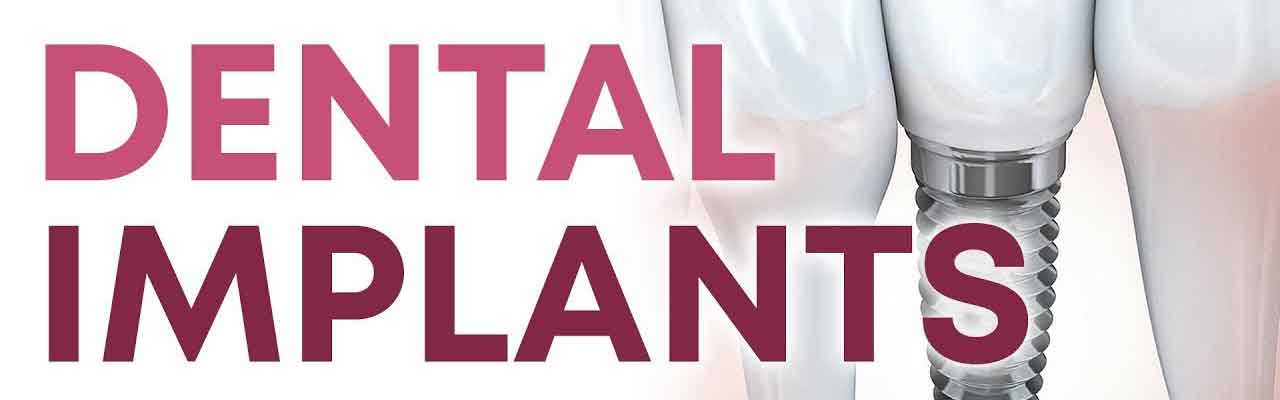
A dental implant is a titanium or zirconia post surgically placed into the jawbone to replace the root of a missing tooth. After healing, the implant serves as a secure foundation for a dental crown, bridge, or implant-supported denture.
Dental implants closely mimic natural teeth in appearance, function, and stability.
A complete implant restoration typically consists of:
- Implant post
- Abutment
- Dental crown, bridge, or denture
Why Choose Dental Implants?
Dental implants provide several advantages over traditional tooth replacement options.
Improved Appearance
Implants look and feel similar to natural teeth.
Better Function
Unlike removable dentures, implants remain securely in place while eating and speaking.
Bone Preservation
When a tooth is lost, the jawbone begins to deteriorate. Dental implants help stimulate the bone and reduce future bone loss.
Long-Term Durability
With proper care, dental implants can last for decades.
Improved Comfort
Because implants are anchored into the jawbone, many patients find them more comfortable than removable appliances.
Why Do So Many Patients Get Dental Implants in Mexico?
For many patients, the decision to explore dental implants in Mexico begins with cost.
Dental implant treatment in the United States can be expensive, especially when multiple implants, bone grafting, extractions, or full-mouth restoration are involved. Many patients are surprised to learn that treatment costs in Mexico are often 50% to 70% lower while using the same implant systems, materials, and technologies commonly found in U.S. dental practices.
Typical Implant Cost Comparison
| Procedure | Typical U.S. Cost | Typical Mexico Cost |
|---|---|---|
| Single Dental Implant | $3,000 – $6,000 | $1,000 – $2,500 |
| Implant with Crown | $4,000 – $7,500 | $1,500 – $3,000 |
| Implant-Supported Bridge | $8,000 – $20,000+ | $3,000 – $8,000+ |
| All-on-4 Treatment | $20,000 – $50,000+ per arch | $8,000 – $18,000+ per arch |
| Full Mouth Reconstruction | $30,000 – $90,000+ | Often 50% to 70% less |
Actual treatment costs vary based on individual needs, materials used, implant systems selected, and whether bone grafting or additional procedures are required.
Lower Costs Do Not Necessarily Mean Lower Quality
Many patients assume lower prices mean lower quality, but that is not necessarily the case.
Dental implant treatment is often less expensive in Mexico because of lower operating costs, lower overhead expenses, and differences in the cost of doing business. Many clinics use the same implant manufacturers, dental materials, and modern technologies commonly found in the United States.
Modern Technology and Treatment Options
Many dental clinics in Mexico utilize advanced technologies that support predictable implant treatment outcomes, including:
- 3D CBCT imaging
- Digital treatment planning
- Guided implant placement
- CAD/CAM restorations
- International implant brands
The most important factor is not the country itself, but selecting experienced providers, understanding the treatment plan, and working with trusted clinics.
Is Dental Tourism Worth It?
For patients who need multiple implants, implant-supported dentures, All-on-4 treatment, or full-mouth reconstruction, the potential savings can be substantial.
Even after accounting for travel expenses, many patients discover they can significantly reduce treatment costs compared to receiving similar care in the United States.
However, successful dental tourism involves more than finding the lowest price. Patients should consider provider experience, treatment planning, clinic reputation, follow-up care, and overall value when making decisions.
Dental Implant Options Available in Mexico
One of the biggest advantages of modern implant dentistry is that there is no one-size-fits-all solution. Dental implants can replace a single missing tooth, multiple teeth, or even an entire arch of missing teeth.
The best option depends on the number of missing teeth, the condition of your jawbone, your goals, and your budget.
Single Tooth Implants
A single dental implant is often the preferred solution when one tooth is missing. The implant replaces the tooth root and supports a custom crown designed to blend naturally with your surrounding teeth.
Benefits include:
- Preserving adjacent healthy teeth
- Supporting jawbone health
- Providing a natural appearance and function
- Long-term durability
Multiple Tooth Implants and Implant Bridges
When several teeth are missing, dental implants can support a bridge without relying on neighboring teeth.
Implant-supported bridges offer:
- Greater stability than traditional bridges
- Improved chewing ability
- Better preservation of jawbone structure
- A more natural feel and appearance
Implant-Supported Dentures
Patients missing most or all of their teeth often choose implant-supported dentures.
Unlike traditional removable dentures, these dentures attach securely to dental implants, reducing movement and improving comfort.
Benefits include:
- Improved stability
- Better chewing efficiency
- Increased confidence when speaking
- Reduced irritation caused by denture movement
Snap-In Dentures
Snap-in dentures, also called overdentures, use implants to provide a secure but removable solution.
This option is popular among patients seeking improved denture stability without the cost of full fixed-bridge restorations.
Many patients find snap-in dentures provide a significant improvement over traditional dentures while remaining affordable.
All-on-4 and All-on-6
For patients who have lost most or all of their teeth, All-on-4 and All-on-6 treatment can provide a complete fixed arch of replacement teeth supported by four or six strategically placed implants.
Benefits include:
- Full arch restoration
- Fixed, non-removable teeth
- Improved appearance and confidence
- Reduced need for extensive bone grafting in many cases
- Faster treatment compared to individual implants
All-on-4 and All-on-6 treatments have become some of the most popular full-mouth restoration options for dental tourism patients.
Full Mouth Reconstruction
Some patients require a combination of treatments, including implants, crowns, bridges, bone grafting, and restorative dentistry.
A full mouth reconstruction is customized to address significant tooth loss, damaged teeth, bite problems, or extensive restorative needs.
Treatment plans vary based on each patient’s oral health goals and clinical needs.
Which Dental Implant Option Is Best for You?
There is no single “best” implant solution for every patient. Factors such as general health, bone density, the number of missing teeth, treatment goals, and budget all play a role in determining the ideal approach.
A comprehensive consultation and treatment plan can help identify which implant option offers the best long-term outcome for your unique situation.
Are Dental Implants Right for You?
Dental implants can be an excellent solution for patients who have lost one or more teeth and want a stable, long-term replacement option. Many adults with healthy gums and adequate bone support may be candidates for implant treatment.
You may be a good candidate if you:
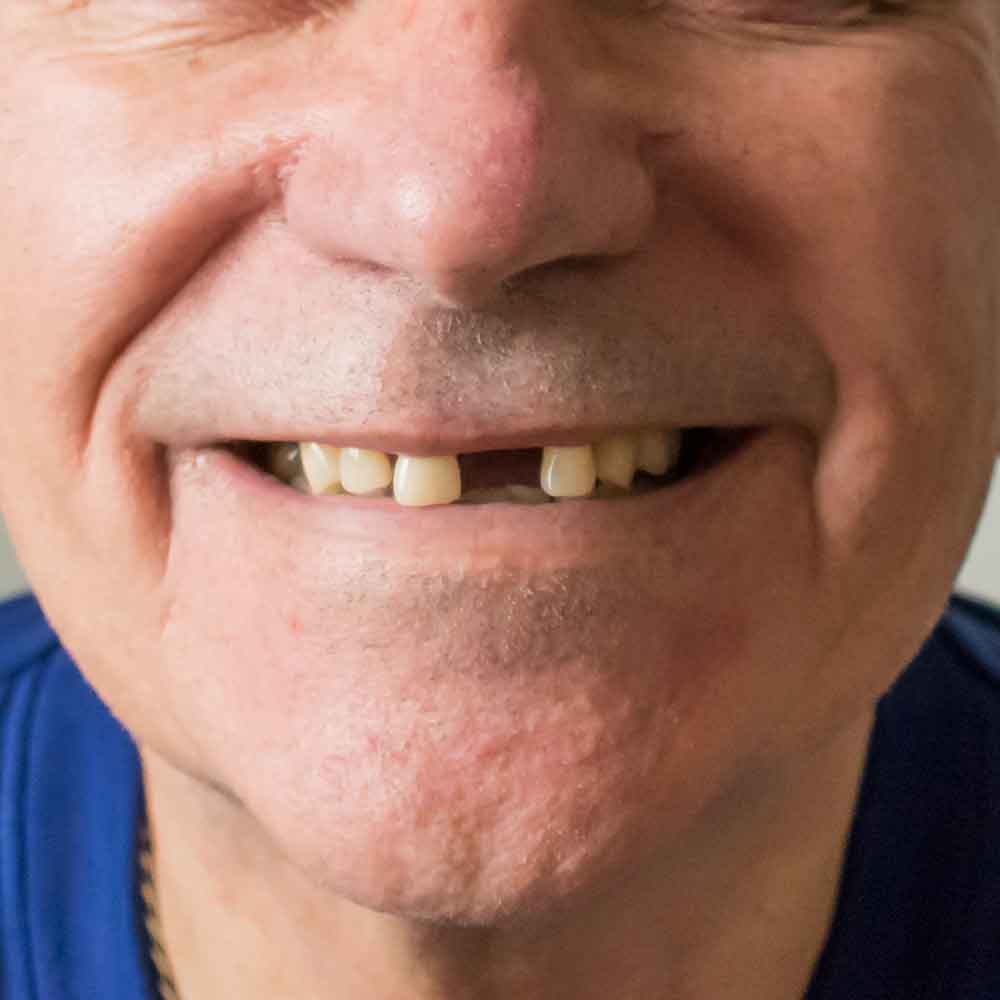
- Have one or more missing teeth
- Wear dentures and would like greater stability
- Want a permanent alternative to removable appliances
- Have sufficient jawbone to support implants, or are a candidate for bone grafting
- Are committed to maintaining good oral hygiene
Certain medical conditions, smoking habits, and bone loss may affect treatment planning, but these factors do not automatically disqualify you. A thorough dental evaluation is the best way to determine whether implants are right for your situation.
What Is the Dental Implant Process?
Although every case is different, treatment usually follows these steps:
1. Consultation and Evaluation
Your dentist evaluates oral health, bone density, and treatment goals.
2. Implant Placement
The implant is surgically inserted into the jawbone.
3. Healing and Integration
Over several months, the implant fuses with the bone through a process called osseointegration.
4. Final Restoration
A custom crown, bridge, or denture is attached to complete treatment.
What Factors Affect Dental Implant Costs?
The cost of dental implants varies from one patient to another because every treatment plan is unique.
Factors that influence cost include:
- Number of implants required
- Type of restoration
- Bone grafting requirements
- Tooth extractions
- Implant system used
- Complexity of the case
- Geographic location
While some patients require only a single implant and crown, others may need implant-supported bridges, All-on-4 treatment, or full-mouth reconstruction.
For a detailed breakdown of pricing and treatment options, see our guide:
Dental Implant Cost in Mexico: U.S. vs. Mexico
Are Dental Implants Safe?
Dental implants have one of the highest success rates in modern dentistry and have been successfully used for decades to replace missing teeth.
Like any surgical procedure, dental implants involve some potential risks, including:
- Infection
- Implant failure
- Delayed healing
- Bone integration challenges
- Nerve irritation
- Gum complications
However, complications are relatively uncommon when experienced providers and patients follow post-operative instructions. Good oral hygiene, routine dental care, and avoiding tobacco use can significantly improve long-term outcomes.
Bone Grafting and Dental Implants
Some patients experience bone loss after teeth have been missing for an extended period. Because implants rely on healthy bone for support, a bone graft may occasionally be recommended before implant placement.
Bone grafting helps rebuild lost bone and can improve the stability and long-term success of dental implants.
Not every patient requires bone grafting, and modern treatment techniques often provide multiple options depending on the amount of available bone.
Learn More: Bone Grafting for Dental Implants
How Long Do Dental Implants Last?
Many dental implants can last decades with proper maintenance.
Success depends on:
- Oral hygiene
- Regular dental checkups
- Smoking habits
- Medical conditions
- Overall bone and gum health
Conclusion
Dental implants are one of the most reliable and long-lasting solutions for replacing missing teeth. Whether you need a single implant, an implant-supported bridge, snap-in dentures, All-on-4 treatment, or a full-mouth reconstruction, dental implants can restore function, improve confidence, and help preserve long-term oral health.
For many patients, treatment in Mexico provides access to experienced implant dentists, modern technology, and significant cost savings compared to treatment in the United States. However, choosing the right treatment plan and provider is just as important as the procedure itself.
At Beyond Borders Dental, we help patients understand their options, compare treatment solutions, and connect with trusted dental providers in Mexico. Our goal is to help you make informed decisions and feel confident about every step of your dental journey.
How Beyond Borders Dental Helps
Choosing dental implants is a significant decision, especially when considering treatment in another country. Patients often have questions about treatment options, costs, travel logistics, recovery, and selecting the right provider.
Beyond Borders Dental helps patients navigate this process by providing education, guidance, and access to carefully vetted dental providers throughout Mexico.
Whether you are exploring a single implant, implant-supported dentures, All-on-4 treatment, or full-mouth reconstruction, our goal is to help you understand your options and make informed decisions about your care.
We are not a dental clinic. We are your partner in evaluating treatment options, comparing providers, and planning your dental journey with confidence.
Explore Your Dental Implant Options
Whether you’re considering a single implant, implant-supported dentures, All-on-4 treatment, or full-mouth reconstruction, Beyond Borders Dental can help you understand your options and connect with trusted providers in Mexico.
Contact us today to learn more about dental implants in Mexico and discover whether implant treatment may be right for you.