

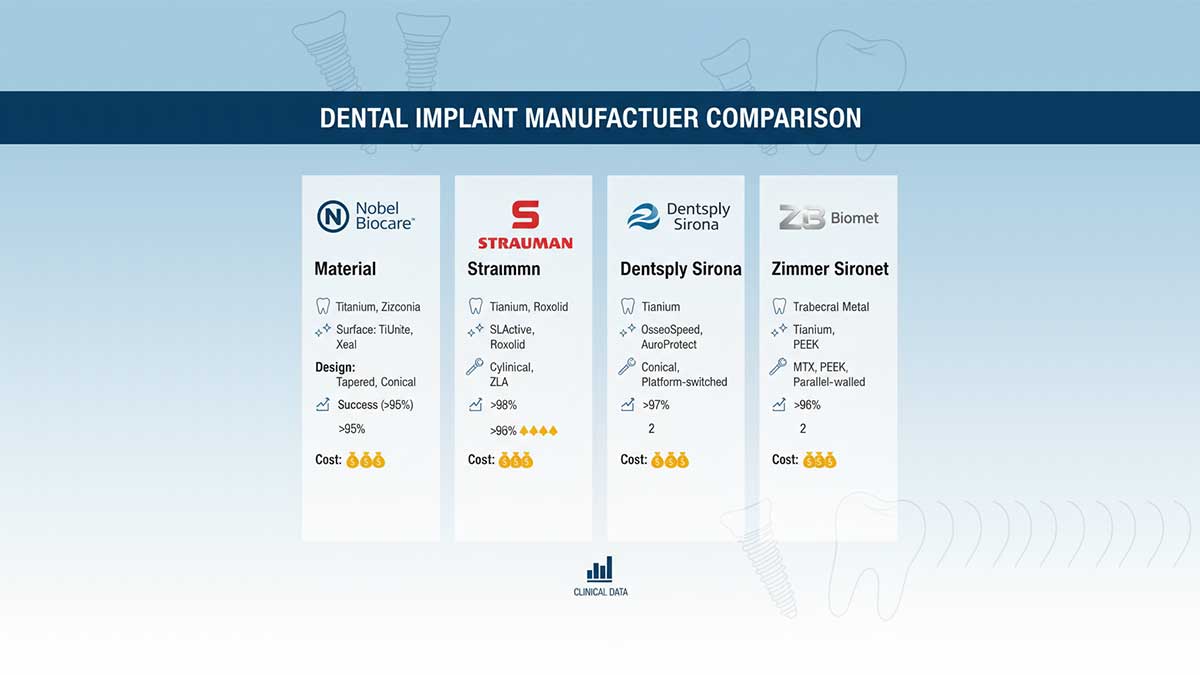
Comparing Dental Implant Manufacturers
A Guide to Quality, Innovation, and a Positive Outcome
Are you considering dental implants but feeling overwhelmed by the choices and information available? As more people look beyond their borders for quality dental care, Mexico has emerged as a popular destination for affordable and efficient dental implant procedures. However, before you leap, it’s essential to understand what to expect, the benefits and risks involved, and how to choose the right clinic and professional for your needs. In this blog, we outline key considerations and answer questions to help you make an informed decision about your dental journey.
Understanding the intricacies of various dental implant manufacturers is essential for making an informed choice. While the allure of a radiant smile is appealing, achieving it requires a thorough examination of the components that constitute each implant. Key factors, such as the materials used, the production technology, and the manufacturer’s reputation, can significantly influence both the cost and the long-term success of the implants.
In this blog post, we will explore the critical factors that affect the pricing and quality of dental implants, equipping you to navigate this complex field. Whether you are considering an implant for the first time or evaluating different options, our in-depth analysis will help you understand what truly matters when selecting the right dental solution for your needs.
Leading Dental Implant Manufacturers
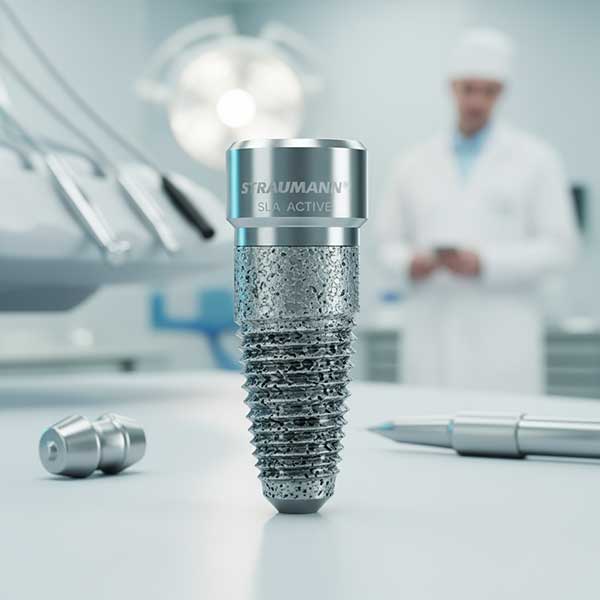
In the world of dental implants, one manufacturer stands out as the gold standard, widely recommended by dental professionals and patients alike. Renowned for its commitment to quality and innovation, this industry leader has set the benchmark for what patients can expect from their dental implant experience. With a focus on advanced materials, cutting-edge technology, and rigorous testing, this manufacturer has earned a reputation for producing reliable and long-lasting implants. In this blog, we will explore what makes this top-tier brand the preferred choice among dentists and why investing in their implants can be a pivotal decision for your oral health and overall satisfaction. From understanding the specific features that differentiate their products to examining customer feedback, we’ll provide insights to inform your decision as you navigate the world of dental implants.
The Straumann® SLActive (Sandblasted, Large-grit, Acid-etched) implant surface is well regarded in the field of dental implants for its effectiveness in promoting osseointegration—the process by which bone integrates with the implant.
Key Features of the SLActive Surface
- Surface Roughness: Sandblasting with large grit, followed by acid etching, creates a specific roughness on the SLActive surface. This rough texture increases the surface area for bone contact, enhancing the stability and integration of the implant into the jawbone.
- Osseointegration: Studies have shown that implants with SLActive surfaces tend to achieve higher osseointegration than those with smoother surfaces. The roughness promotes bone cell adhesion, proliferation, and a strong bond with the titanium implant.
- Clinical Success: Numerous studies have reported high success rates for SLActive implants, with successful integration resulting in durable, stable restorations under both immediate and delayed loading protocols.
- Bioactivity: The SLActive surface may exhibit enhanced bioactivity due to its microstructural features, which attract osteogenic cells and promote faster healing and integration.
- Long-term Performance: Research indicates that implants with SLActive surfaces maintain clinical success over the long term, with low complication and failure rates.
It is important to review specific scientific literature and clinical studies for detailed information regarding the performance and characteristics of the SLActive surface, as various factors (such as patient health, technique employed, and material biocompatibility) can influence outcomes. Publications in dental and implant journals often provide robust analyses and data on the effectiveness of Straumann SLActive implants across various clinical settings.
Are Straumann SLActive Implants Suitable for All-on-4?
Yes, you can use Straumann SLActive implants for All-on-4 procedures. The design of the SLActive surface promotes osseointegration, making it suitable for applications that require immediate loading, which is a common feature of All-on-4 treatments. However, it is crucial to adhere to specific guidelines and protocols for implant placement and loading to achieve optimal results. Seeking advice from a dental professional specializing in All-on-4 procedures can help you select the most suitable dental implant manufacturers for each patient’s unique requirements.
Are There Other Manufacturers of SLActive Implants Similar to Straumann?
Yes, several dental implant manufacturers offer surfaces similar to Straumann SLA Active implants, designed to enhance osseointegration and support immediate loading protocols. Some of these brands include:
- Nobel Biocare: Known for its NobelActive and NobelReplace implants, it uses surface treatments that promote bone integration.
- Dentsply Sirona: Their Astra Tech implants feature a unique surface technology designed to improve osseointegration.
- Zimmer Biomet offers the Tapered Screw-Vent and other implant systems with advanced surface treatments.
- BioHorizons: Their implants use Laser-Lok surface technology, designed to improve bone and soft-tissue integration.
- MIS Implants: Their C1 and other implant lines also have surface treatments that encourage osseointegration.
- Alpha-Bio Tec: They design their implants with similar considerations for surface technology and immediate loading.
Consulting with a dental professional is vital to determine which dental implant manufacturers are most appropriate for the specific clinical situation and individual patient needs.
When comparing other dental implant manufacturers to Straumann SLA Active implants, several key factors come into play, including surface technology, design features, clinical results, and overall reliability. Here’s a brief overview of how some of these brands stack up.
Dental Implant Surface Technology
- Nobel Biocare: Their implants often use proprietary microstructured surfaces designed to enhance osseointegration, similar to the SLA Active surface, with some studies suggesting comparable success rates.
- Astra Tech (Dentsply Sirona): Their implants feature the OsseoSpeed surface, designed to accelerate bone healing and integration, and show similar performance metrics.
- BioHorizons: Their Laser-Lok technology mimics the natural microarchitecture of bone, promoting better soft-tissue attachment than traditional surfaces.
Design Features
Many dental implant manufacturers feature unique design elements to optimize primary stability and facilitate various surgical techniques. Researchers validate the well-designed Straumann implants through extensive clinical studies. Other brands also offer engineered designs to enhance engagement with the bone and improve stability during healing.
Clinical Outcomes
Clinical data often varies from brand to brand. Straumann boasts a robust track record, backed by extensive clinical studies demonstrating its safety and longevity. Similarly, brands like Nobel Biocare and Dentsply Sirona have substantial clinical evidence. You must review the specific data related to the type and condition of the implant you are considering.
Immediate Loading: Can Implants Support Immediate Loading “Teeth in a Day”?
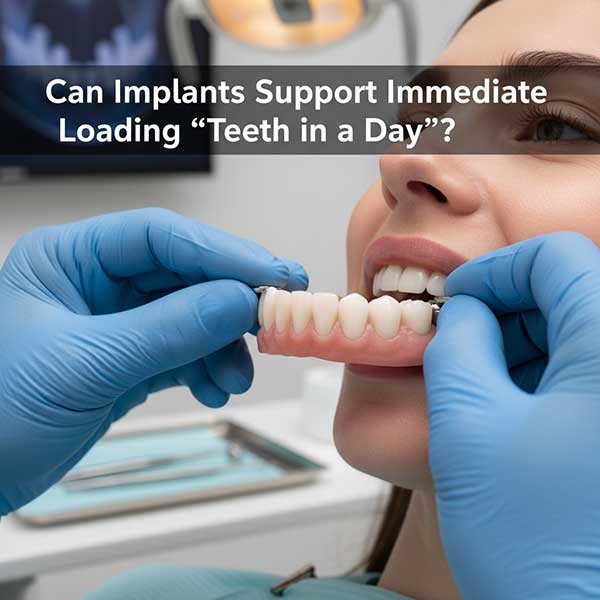
Yes, some implants are designed to support immediate loading in certain situations, especially with their streamlined one-day dental implant protocol. Once the dental team places the implant and it achieves sufficient primary stability, they can often immediately attach a temporary restoration. Factors such as the implant’s design, surface characteristics, and the patient’s bone health and density facilitate this process.
Immediate loading can lead to quicker restoration times for patients, as they can leave the dental office with functional teeth after the implantation procedure. However, the feasibility of immediate loading depends on individual patient factors, including bone health, the number of implants placed, and the specific clinical situation. A thorough evaluation by a dental professional is necessary to determine if immediate loading is appropriate for a particular patient.
Side Note: Many people are unaware that immediate loading implants come with a temporary prosthetic. It is essential to attend a follow-up appointment to replace this temporary prosthetic with a permanent one. All implant procedures typically necessitate a follow-up visit.
What are the Typical Protocols for Immediate Loading Implants?
The typical protocols for immediate loading implants involve several key steps to ensure successful osseointegration and stability. Here’s a general outline of the procedure:
- Initial Assessment: Comprehensive evaluations, including radiographic imaging and clinical examinations, are performed to assess bone quality and quantity. This evaluation helps determine if immediate loading is a viable option.
- Treatment Planning: The dental team creates a detailed treatment plan that accounts for the number and positions of implants required to support the final restoration. They also consider the patient’s oral health, bone density, and overall medical condition.
- Implant Placement: This is the process of inserting a dental implant into the jawbone to replace a missing tooth root.
- Extractions: The dental team may need to extract any remaining teeth before placing the implants.
- Implant Site Preparation: Holes for the implants are carefully prepared in the jawbone to ensure optimal fit.
- Implant Insertion: The dental team inserts the tapered implants, designed for better initial stability, into the prepared sites. They ensure primary stability by securely anchoring the implant in the bone.
- Immediate Loading: A dental procedure places a temporary prosthetic tooth or bridge on a dental implant on the same day the dentist surgically inserts the implant.
- Temporary Restoration: Once the implants are placed and have achieved sufficient stability, a temporary restoration (such as a crown, bridge, or denture) is attached. Temporary restorations allow for immediate function.
- Retention Mechanism: The dental team designs the temporary restoration to minimize stress on the implants during the initial healing phase.
- Post-Operative Care: The dental team provides patients with guidelines for care and maintenance, including dietary modifications, oral hygiene instructions, and pain management strategies. They schedule regular follow-ups to monitor healing.
- Osseointegration Period: The dental team continues monitoring over the next few months to support osseointegration. They adjust the temporary restoration as necessary during this time.
- Final Restoration: After the dental team confirms adequate healing and integration (typically after several months), they can replace the temporary restoration with the final prosthetic.
It’s important to note that immediate loading protocols vary based on the clinical situation, the type of implants used, and the dentist’s specific approach. Each dentist should tailor the protocols to the unique needs of each patient.
What Manufacturers Offer Immediate Loading Implants?
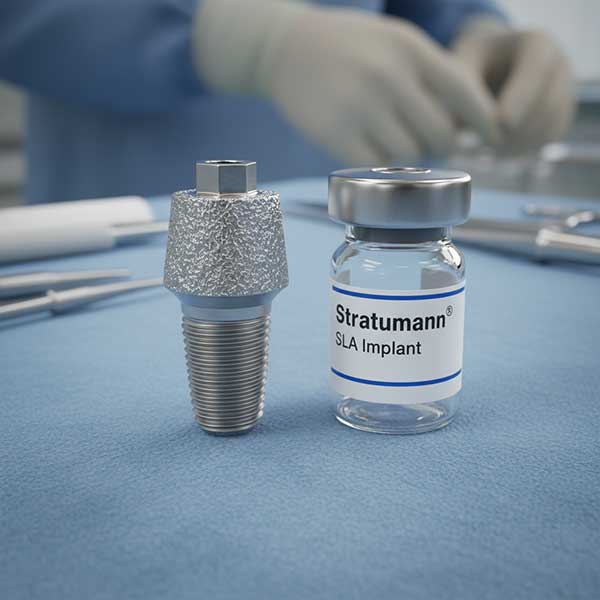
The design of Straumann SLActive implants facilitates the effective implementation of immediate loading protocols. Other brands, such as NobelActive and Astra Tech, also manufacture implants designed for immediate loading, though the protocols may vary slightly depending on their surface characteristics and implant designs.
How does an implant doctor determine if a patient is a candidate for implants? What tests do they typically use?
A skilled implantologist or oral surgeon considers several factors to assess whether a patient is an appropriate candidate for dental implants. This evaluation usually includes a thorough clinical examination, a review of the patient’s medical history, and various diagnostic assessments.
- Medical History Review: The dentist assesses the patient’s medical history, including systemic conditions (e.g., diabetes, autoimmune disorders, or heart disease), medications (especially those affecting bone healing), and lifestyle factors (e.g., smoking or alcohol use).
- Clinical Examination: The dental team conducts a thorough oral examination to assess the condition of the teeth and gums and the patient’s overall oral health. The dentist evaluates the health of the periodontal structures and checks for any active infections.
- Radiographic Imaging:
- Panoramic X-rays: These provide a broad view of the jaw, teeth, and sinus structures, allowing the dentist to assess bone quantity and quality.
- Cone Beam Computed Tomography (CBCT): This 3D imaging technique provides a more detailed view of the jaw, helping to determine the exact position of the implants, the quality of the bone, and the proximity of vital structures such as nerves and sinuses.
- Bone Density Assessment: The dentist evaluates bone density and quality to determine whether it can adequately support an implant. In cases of insufficient bone density, additional procedures like bone grafting may be necessary.
- Evaluation of Oral Hygiene: A patient’s commitment to oral hygiene and their ability to maintain healthy dental care practices are crucial for the success of implants. Those with poor oral hygiene may not be suitable candidates.
- Functional Assessment: The dentist evaluates the patient’s bite and occlusal (bite) relationship to ensure proper alignment and function are achievable with implants.
- Risk Assessment: The dentist considers risk factors that could impede healing or implant success, including lifestyle choices, underlying health conditions, and previous dental history.
After completing these assessments, the dentist will discuss the findings with the patient and recommend the best course of action, including whether the patient is a candidate for implants, potential preparatory treatments (such as bone grafting), or alternative options.
If a Patient is not a Good Candidate for Immediate Implant Loading, what are Their Options?
If a patient is not a good candidate for immediate implant loading, there are several alternatives and options available:
- Delayed Loading Implants: This is the most common alternative. The dental team places the implants, and the patient must wait for a healing period (typically 3 to 6 months) before attaching a prosthesis. During this time, osseointegration occurs, allowing for a stable foundation.
- Single-Stage Surgery: In this approach, the implants are placed and left exposed to the oral environment. After the healing period, abutments and crowns are attached, as in traditional delayed-loading protocols.
- Two-Stage Surgery: In this method, the dental team places the implants and covers them with gum tissue to allow healing. Once healing is complete, the team performs a second surgery to uncover the implants, attach abutments, and place the final restorations.
- Bone Grafts: If the dental team identifies inadequate bone density or volume, they can perform bone grafting before placing the implants. This procedure helps improve the site for future implants and may potentially make the patient a candidate for loading in a subsequent phase.
- Sinus Lift Procedure: For patients with insufficient bone in the upper jaw, a sinus lift may be necessary to create more space and bone for implant placement.
- Alternative Restorative Options: If implants are not feasible, other restorative options may include dental bridges or dentures, which can be less invasive and provide functional and aesthetic results.
- Monitoring and Reevaluation: The dental team may decide to monitor the situation over time, especially if the patient’s health or bone quality could change, potentially making them a candidate for implants in the future.
- Please consult with a Specialist: Referring the patient to a specialist, such as an oral surgeon or periodontist, can provide additional insights into their specific case and treatment options.
Ultimately, the choice of alternative treatment will depend on the patient’s specific circumstances, health status, and personal preferences. A thorough discussion with a dental professional will guide the best course of action.
Dental Implant Brands and Surgical Protocols
Many dental professionals have preferences for specific dental implant manufacturers or brands influenced by their surgical protocols, user-friendliness, and personal familiarity. This choice often reflects the practitioner’s expertise and the unique needs of the patient.
In summary, while many regard Straumann SLActive implants highly in the field, other brands offer comparable options with similar advantages. You should guide the selection of an implant by clinical indications, the practitioner’s experience, and the individual characteristics of the patient. Always consult a qualified dental professional to determine the best option for each situation.
Dental Implant Manufacturers’ Compatibility and Interchangeability
It’s important to understand that dental implant manufacturers’ components are specifically designed to work with their respective implant systems and are not universally interchangeable. Here are some key points to explain why:
- Specific Design Features: All dental implant manufacturers incorporate unique design features, such as screw threads, shapes, and connection types. They engineer these characteristics to ensure proper fit, stability, and function, making it essential to use the correct components.
- Compatibility Issues: The connection point between the implant body and the abutment (the part that holds the crown) can differ significantly between brands. Mixing parts can lead to poor seating, inadequate stability, or even implant failure.
- Osseointegration Factors: Different implants may have varying surface treatments and textures, which can affect how well they integrate with the jawbone (osseointegration). Using incompatible parts can disrupt this process.
- Manufacturer Guidelines: Most dental implant manufacturers specify guidelines that state you should not mix components from different systems. These guidelines ensure optimal results and minimize complications.
- Legal and Safety Concerns: Using parts not designed to work together can raise legal and safety issues. If a problem arises from the use of incompatible components, it can complicate warranty claims and liability.
NOTE: To ensure the best outcomes and maintain the integrity of the implant system, it’s important to use components from the same manufacturer and system.
About Dental Implant Tool Kits
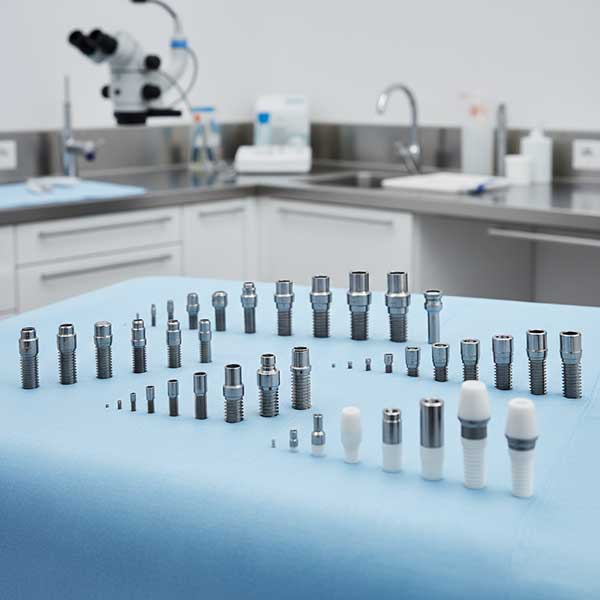
Most patients may not know this, but implant specialists need to purchase specialized kits for each implant brand. Yes, dental professionals typically need to purchase specific surgical kits for each dental implant brand they use. These kits accommodate the unique features of the implants, including their size, shape, and surface characteristics. Each brand often has its specialized instruments for implant placement, such as drills, guides, and trays, tailored to its implant systems.
Here are a Few Reasons Why Specialized Kits are Necessary
- Instrument Compatibility: Different implant systems may have varying screw sizes, connections, and alignment features, necessitating tools that fit those specific requirements.
- Surgical Protocols: Each brand may implement distinct protocols, including the number of drills, drilling sequence, and depth markings, and all of these are included in their specialized kits.
- Efficiency and Accuracy: Using the correct kit ensures the procedure is efficient and that implants are placed accurately in accordance with the manufacturer’s guidelines.
- Training and Adaptation: Many implant systems include educational materials or training sessions to help practitioners become familiar with their tools and protocols, which may require specific kits for adequate practice.
For dental clinics that use multiple implant brands, having a range of kits may be necessary but can also increase costs and require additional storage and management. Some dentists may choose to specialize in a particular brand to streamline their practice.
In our previous posts, we’ve explored the cutting-edge innovations from leading Dental Implant Manufacturers and investigated essential factors to consider when choosing the right implants. For a more in-depth look at how these advancements are transforming patient care, check out our blogs: Advanced Implant Technology: Revolutionizing Oral Health and 5 Key Considerations About Getting Dental Implants in 2025.
Beyond Borders Dental specializes in guiding patients on their journey to Mexico for dental care. With our expertise, we are committed to helping you make informed decisions and advocating for you throughout the entire process. As you start this journey, it’s essential to:
- Conduct thorough research
- Consult with experienced practitioners
This preparation will help ensure a successful outcome. With the right knowledge and preparation, you can confidently explore the world of dental implants and lead to a brighter, healthier future.
In Summary
Gaining insight into dental implant manufacturers can significantly impact your journey to achieving your perfect smile at a reasonable cost. By recognizing the associated benefits and risks and choosing the right clinic and professionals, you can make informed decisions that focus on your dental health and overall well-being.