

25 Essential Tips for Healthy Teeth and Gums
An Ultimate Guide to Effective Dental Care

When it comes to your health, a dazzling smile is often the first impression you make, but maintaining it goes far beyond just aesthetics. Healthy teeth and gums are crucial not only for confidence but also for overall well-being.
We’ve compiled 25 tips for teeth and gum care that will keep your mouth healthy and vibrant. Let’s dive in!
How Should I Care for My Teeth and Gums?
Effectively maintaining your oral health isn’t rocket science, but it’s also something significant enough not to be dismissed entirely. You can often prevent complications such as periodontal disease, gingivitis, plaque buildup, and gum recession by maintaining a consistent and comprehensive oral hygiene routine.
There are five simple aspects of teeth and gum care:
- Brushing
- Flossing
- Rinsing
- Healthy Diet
- Dental Check-ups
Tips for Brushing Your Teeth and Gums
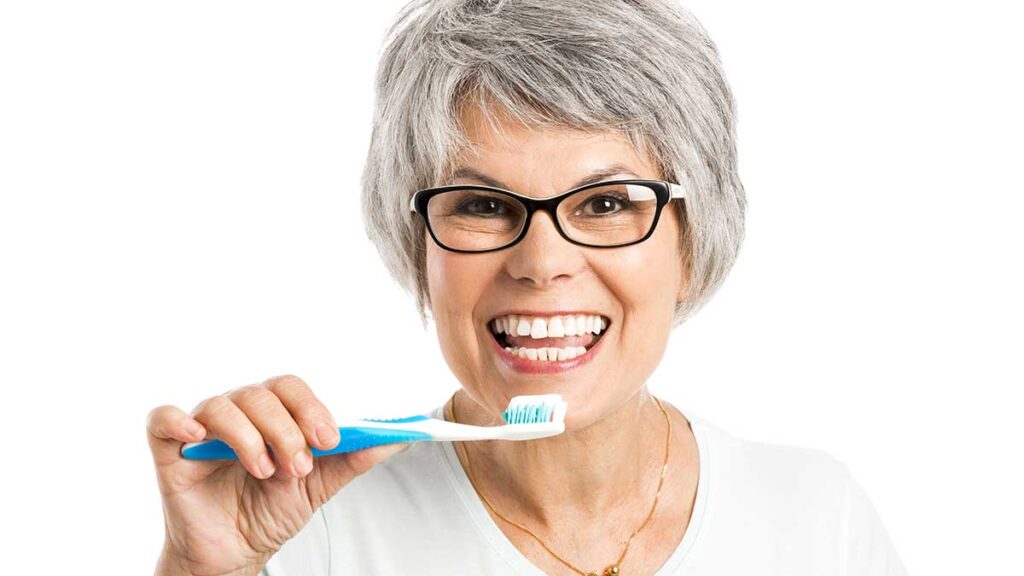
Proper brushing of your teeth and gums is essential for maintaining good oral hygiene. Not only does it help remove food particles and bacteria, but it also promotes healthy gums and prevents tooth decay. Here are some essential tips for brushing your teeth and gums to ensure optimal dental care:

- Choose the Right Toothbrush: The first step in proper brushing is choosing the right toothbrush. It should have soft bristles and a comfortably-sized head that can reach all areas of your mouth easily. If you have sensitive teeth or gum disease, consider using an electric toothbrush as it provides a gentle yet thorough cleaning.
- Use Fluoride Toothpaste: When selecting a toothpaste, make sure it contains fluoride – a mineral that strengthens enamel and protects against cavities. Fluoride also helps reverse the early stages of tooth decay by strengthening weakened areas of the enamel.
- Brush Twice a Day: Dentists recommend brushing your teeth at least twice a day – morning and night – for two minutes each time. This ensures you remove plaque buildup from your teeth before it hardens into tartar, which can lead to gum disease.
- Proper Technique: Many people brush their teeth quickly without paying attention to technique, resulting in ineffective cleaning. To properly clean your teeth, hold your toothbrush at a 45-degree angle towards the gum line and use small circular motions to clean each tooth thoroughly.
- Don’t Forget Your Tongue: Bacteria can also accumulate on your tongue, leading to bad breath and other oral health issues. Make sure to gently brush or scrape your tongue with a tongue scraper after brushing your teeth.
- Floss Daily: While brushing helps remove plaque from the surfaces of our teeth, flossing is essential for removing food debris from between them, where brushes cannot reach easily.
- Be Gentle with Your Gums: Avoid brushing your gums too hard, as it can lead to gum recession and sensitivity. Instead, use gentle pressure and a soft-bristled toothbrush.
- Replace Your Toothbrush Regularly: Over time, the bristles can wear down, reducing their effectiveness at cleaning your teeth. You should replace your toothbrush every three months or when the bristles start to fray.
Tips for Flossing Your Teeth

Flossing is an essential part of oral hygiene that doesn’t get the credit it deserves. It’s crucial to make flossing a daily ritual to promote healthy gums and fresh breath. How to floss, you ask? Here are some tips for effective flossing:
- Choose the correct type of floss: There are many types of dental floss available, such as waxed, unwaxed, flavored, and wide. Experiment with different types to find one that suits you best.
- Use enough length: You should have about 18 inches (45 cm) of floss to clean your teeth. This length ensures you have enough clean floss to use for each tooth.
- Be gentle: Avoid snapping or forcing the floss between your teeth as it can damage your gums or cause bleeding. Instead, gently slide the floss back and forth using a sawing motion.
- Reach all areas: When starting a new section of floss, wrap it around each side of the tooth in a C-shape to thoroughly reach all surfaces.
- Don’t forget the back teeth: Many people neglect their molars while flossing because they are harder to reach. These back teeth are just as important as the others and need proper care too!
- Take your time: Flossing should take about two minutes if done correctly. Please don’t rush through it!
Tips for Rinsing Your Teeth & Gums
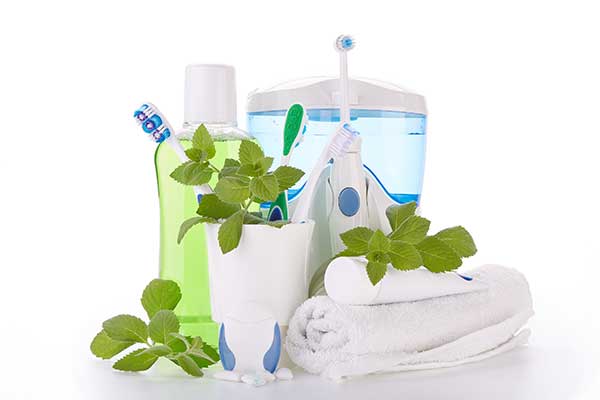
Properly rinsing your teeth and gums is an essential part of maintaining good oral hygiene and preventing gum disease. It helps remove leftover food particles, plaque, and bacteria that may linger in your mouth after brushing and flossing. Here are tips to effectively rinse your teeth and gums:
- Use the Right Technique: The correct way to rinse is by swishing the water around in your mouth for 30 seconds before spitting it out. Avoid vigorous gargling or excessive force, as it may harm your teeth and gums.
- Choose the Right Mouthwash: Mouthwash is an excellent addition to your oral care routine, as it not only freshens your breath but also helps kill harmful bacteria in your mouth. However, it is essential to choose the right type of mouthwash for your specific needs. If you have sensitive teeth or gums, opt for an alcohol-free or gentle formula.
- Time Your Rinse: After brushing and flossing, wait at least 30 minutes before using a mouthwash so that the fluoride from toothpaste can do its job without being washed away too soon.
- Don’t Forget Your Tongue: Many people neglect their tongue when rinsing their mouths, but it’s just as crucial as cleaning their teeth and gums. Bacteria thrive on the surface of our tongues, leading to bad breath and other oral health issues. Use a tongue scraper or gently brush your tongue while rinsing for a thorough clean.
- Be Consistent: Consistency is key in any aspect of dental care, including regularly rinsing your teeth and gums. Additionally, if you have dental issues such as gum disease or bad breath, it is recommended that you rinse after every meal.
- Consider Supplemental Rinsing Products: There are various supplementary rinsing products available in the market that can enhance your oral care routine. These include fluoride rinses, antibacterial mouthwashes, and remineralizing solutions that can help strengthen your teeth and prevent cavities.
Tips for a Healthy Diet

When it comes to maintaining healthy teeth and gums, what we eat plays a crucial role, which is why it is essential to pay attention to what we eat:
- One of the most essential nutrients for maintaining strong teeth and preventing tooth decay is calcium. Incorporating calcium-rich foods such as milk, cheese, yogurt, leafy greens, and almonds into our diet can help strengthen our teeth and prevent cavities. Calcium helps rebuild tooth enamel and neutralize acids that can cause tooth decay.
- Vitamin D is also vital for healthy teeth, as it helps the body absorb calcium. Foods like fatty fish, egg yolks, and fortified cereals are excellent sources of Vitamin D. Another mineral that plays a significant role in dental health is phosphorus. It works together with calcium to keep our teeth strong and healthy. Meats, poultry, fish, and dairy products are excellent sources of phosphorus.
- Avoid excessive intake of sugary foods like candy, soda, and cake to minimize the production of acids that can attack tooth enamel. Similarly, starchy foods like chips or crackers break down into sugars when chewed, leading to increased acid production in the mouth.
- Limit your intake of acidic food and drinks, as they can erode tooth enamel over time if consumed frequently. Acidic foods include citrus fruits like oranges or grapefruits, while acidic beverages include soft drinks or sports drinks.
- Incorporate fibrous fruits and vegetables into your diet. Fruits like apples, carrots, celery, and cucumbers act as natural toothbrushes, scrubbing away plaque and food particles from the surfaces of our teeth.
Tips for Dental Check-Ups
Regular dental check-ups help maintain good oral health, and dentists recommend visiting at least twice a year, even if you don’t experience any pain or discomfort. These routine visits enable dentists to identify potential issues early on, preventing them from becoming more serious and costly problems.
Contact Information:
Call 720-954-8905, or Contact Us, or Get Your Quote.